Mystery-Thriller-Suspense Fiction | Would the real Sean Dillon please stand up?
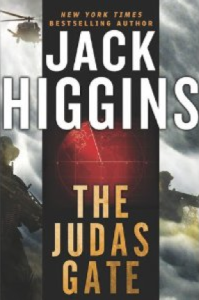
 FRiction FRiday | Jack Higgins | The Judas Gate
Wow, is it FRiction FRiday already? They sure seem to come up fast … even though some weeks are pretty long … so let’s kick up a few more rocks and talk some fiction about our favorite mystery-thriller-suspense novels. [All names in Bold Italic … BLACK for authors, titles in GREEN, characters in ORANGE … except URL references in RED.]
I’m glad you’re here, but don’t worry if it seems like you landed on the wrong planet. Sword Tips is still about Building a Business and improving your leadership performance and productivity … but we also take a little time every FRiction FRiday to have a little fun and prepare for the weekend by uncovering a few more of our favorite Mystery-Thriller-Suspense novels.
By the way, don’t forget to sign up to make sure you get all of these and other updates sent directly to your inbox every week. Make sure you add your comments and questions, too, so we can share what we know and what we’d like to know. Remember, we don’t have to agree … I fully respect your right to be dead wrong! Just kidding … kind of. ;>)
—————————————————
Sean Dillon is finally back in action
What does a Walther PPK and a glass of Bushmills have in common? Sean Dillon. You’ll recall that Dillon, former IRA enforcer and now protecting the Queen’s realm, is one of our Top Ten Characters. Jack Higgins introduced Dillon in Eye of the Storm in 1992, and The Judas Gate is #18 in the series.
Higgins has created a powerful, “take no prisoners” character in Dillon and when you think about it, (more…)
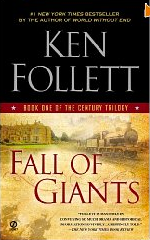 For many of us, American history is full of fascinating character studies and monumental events that have shaped the modern world. There are many extraordinary periods in the last few centuries. One is the Revolutionary War era during the late 1700’s, if only for the rich personalities and history-making ideas that dominated the period leading up to and beyond the signing of the Constitution. The other period is from World War I, known then as the Great War, which began in the summer of 1914, through to the end of World War II in 1945.
 Last week we extolled